
Introduction to City Maps and Their Importance
City maps are essential tools that provide a visual representation of urban areas, facilitating navigation, tourism, and urban planning. They encapsulate a wealth of information, guiding users through the intricacies of city landscapes.

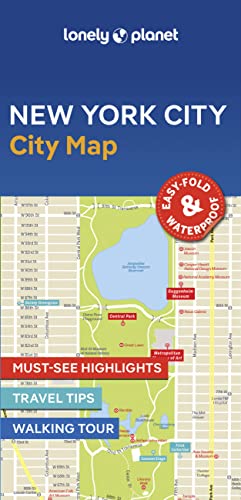
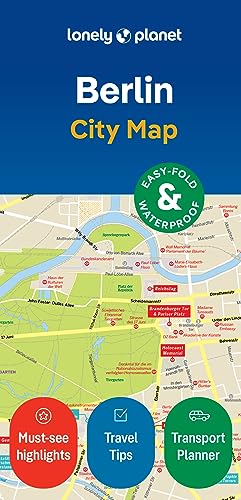
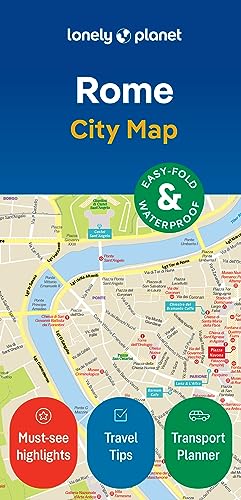
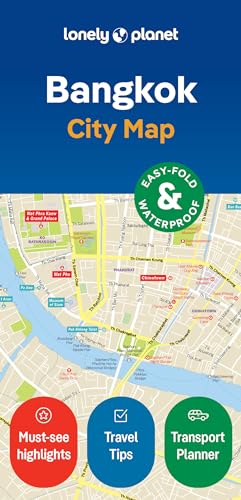
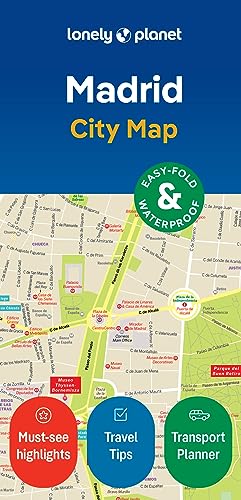
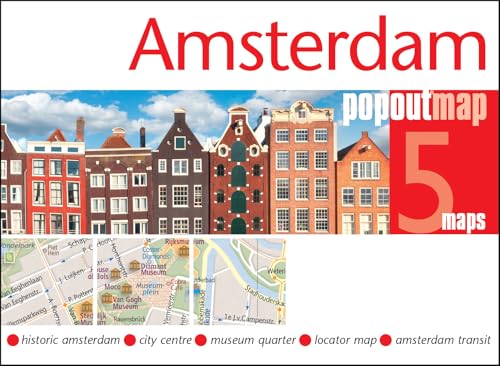
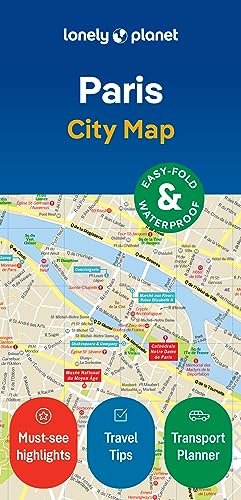

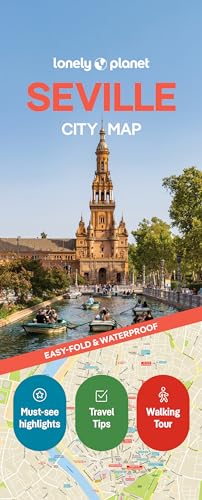
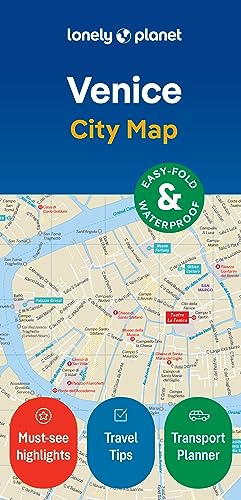
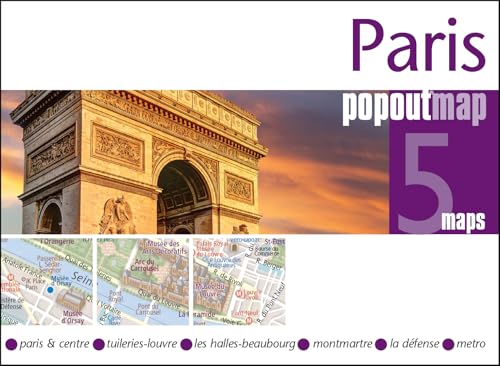
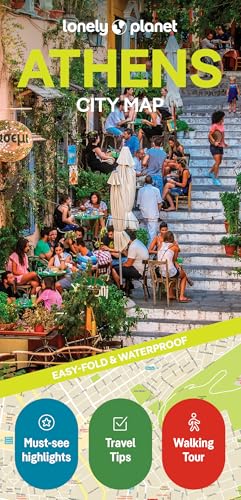
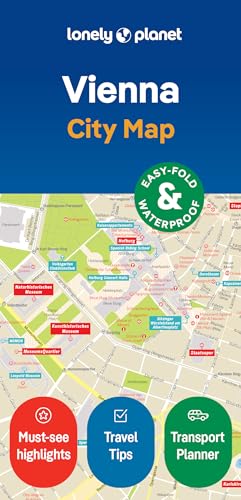
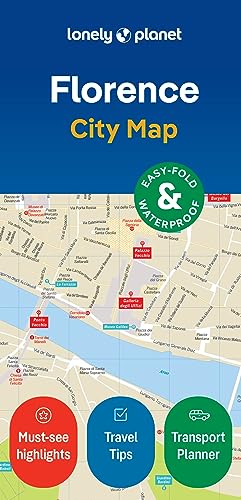
Both locals and visitors rely on city maps to navigate their surroundings, discover new destinations, and gain a better understanding of the physical layout and cultural dynamics of a city.
For tourists, city maps are invaluable as they highlight key landmarks, public transportation routes, and attractions, enabling an efficient exploration of the locale. These maps often feature points of interest such as museums, restaurants, parks, and historical sites, transforming a simple outing into an informed adventure. Moreover, city maps can enhance the travel experience by showcasing lesser-known neighborhoods, which might otherwise go unnoticed.
From an urban planning perspective, the significance of city maps extends beyond navigation. They serve as fundamental resources for city planners and policymakers, providing a foundation for urban development initiatives. Well-detailed maps can illustrate population density, zoning divisions, and infrastructure networks, assisting in effective resource allocation and the strategic planning of services like transportation, education, and public safety.
Moreover, city maps aid in fostering a sense of community by making spatial information accessible to residents. Engaging local stakeholders in mapping efforts can lead to more inclusive planning processes, allowing residents to voice their needs and perspectives. This collaborative approach can further enrich urban environments, ensuring they evolve in line with the community’s vision.
In conclusion, city maps play a multifaceted role in modern urban life, acting as indispensable navigational aids for tourists and locals alike, while also serving as crucial resources for effective urban planning.
Top Cities with Distinctive City Maps
City maps are essential tools that enhance the exploration of urban environments. Various cities around the globe present unique cartographic experiences, each reflecting cultural, historical, and architectural nuances. This section highlights notable cities known for their distinctive city maps, providing insights into their design elements and user-friendly features.
One of the most iconic city maps is that of Paris. The map not only serves as a navigation aid but also captures the artistic flair inherent in the city. Parisian maps often feature scenic routes, landmarks, and descriptions that highlight the historical significance of each area. The inclusion of colored districts aids understanding and navigation, enhancing the user experience.
In stark contrast, Tokyo offers a map rich in technology. The city’s comprehensive map system incorporates advanced GPS functionalities and extensive transit routes, allowing users to navigate its intricate urban landscape seamlessly. The use of both English and Japanese scripts encourages inclusivity, catering to both local and international visitors. Maps in Tokyo often showcase the city’s unique blend of tradition and modernity, illustrating its diverse districts.
New York City, home to an extensive grid system, features city maps that emphasize ease of navigation for both residents and tourists. The city’s maps typically highlight famous attractions, parks, and subway lines, accentuating accessibility. New York’s maps focus on user-friendliness, making it easy for newcomers to immerse themselves in the vibrancy of the city.
Other cities worth mentioning include Barcelona, which incorporates a mix of modern and historical elements in its street layouts, and Amsterdam, where the unique canal system is prominently displayed. Each of these maps serves not only as a navigational tool but also as a gateway to understanding the culture and identity of the respective city.
Innovative Mapping Technologies and Their Influence on City Maps
The world of city mapping has undergone a remarkable transformation due to the advancements in mapping technologies. Traditional paper maps are increasingly being replaced with digital counterparts, thanks to the proliferation of mobile applications and interactive online platforms. These modern tools not only enhance the utility of city maps but also improve user experience dramatically.
One of the most significant advancements in mapping technology is the integration of Global Positioning System (GPS) functionalities. GPS integration allows users to pinpoint their precise location within a city, providing real-time navigation that was unimaginable with traditional methods. This technology enables seamless tracking of routes, facilitates distance measurement, and significantly reduces the time spent searching for destinations. Moreover, many mobile apps now incorporate features that suggest optimal routes based on real-time traffic conditions, further enhancing the practicality of city maps.
In addition to GPS, the capability for real-time updates has become a fundamental aspect of creating and utilizing contemporary city maps. Whether it’s adjusting to road closures, construction, or events that affect traffic patterns, users can receive instant notifications, ensuring that their navigation remains efficient. This real-time data transformation allows for a dynamic interaction with city landscapes that evolve constantly, adapting to the ever-changing urban environment.
Augmented reality (AR) features have also introduced an innovative layer to city maps. By utilizing smartphone cameras, AR applications can overlay digital information onto physical locations, guiding users with visual indicators or providing contextual information about landmarks and points of interest. This immersive approach to navigation creates a more engaging experience, as users can visualize information in their immediate surroundings.
As mapping technologies continue to advance, city maps are becoming more interactive and user-friendly. These innovations not only aid in navigation but enrich the exploration of cosmopolitan locales, making each journey through the city more enriching and informative.
The Future of City Mapping: Trends and Predictions
The landscape of city mapping is undergoing significant transformations, influenced by technological advancements and changing societal needs. As urban populations continue to grow, innovative approaches are emerging to address the complexities of urban navigation and planning. One of the most notable trends is the increasing emphasis on sustainability in city mapping. As cities grapple with environmental challenges, maps are being designed not only to guide users but also to highlight eco-friendly routes, public transport availability, and locations of green spaces. This focus on sustainability reflects a broader global movement towards greener living solutions.
Alongside sustainability, the development of smart cities is revolutionizing how urban environments are structured and depicted. Smart technologies, such as the Internet of Things (IoT), are enhancing real-time data collection and integration. This data allows for the creation of dynamic maps that offer users up-to-date information about traffic conditions, public transportation schedules, and points of interest. The move towards interactive city maps will provide individuals with more personalized experiences, encouraging exploration and engagement with their surroundings.
Moreover, the rise of augmented reality (AR) and virtual reality (VR) is poised to reshape the user experience in city mapping. By overlaying digital information on physical environments, AR applications allow users to visualize directions, historical contexts, and local landmarks in an immersive manner. As these technologies become more accessible, we anticipate that city maps will evolve from static representations into interactive tools that enrich the urban experience.
In conclusion, the future of city mapping is set to prioritize sustainability, harness smart technologies, and incorporate immersive experiences. These trends will significantly influence how urban landscapes are visualized and experienced, ultimately enhancing the functionality and design of city maps in the years to come.